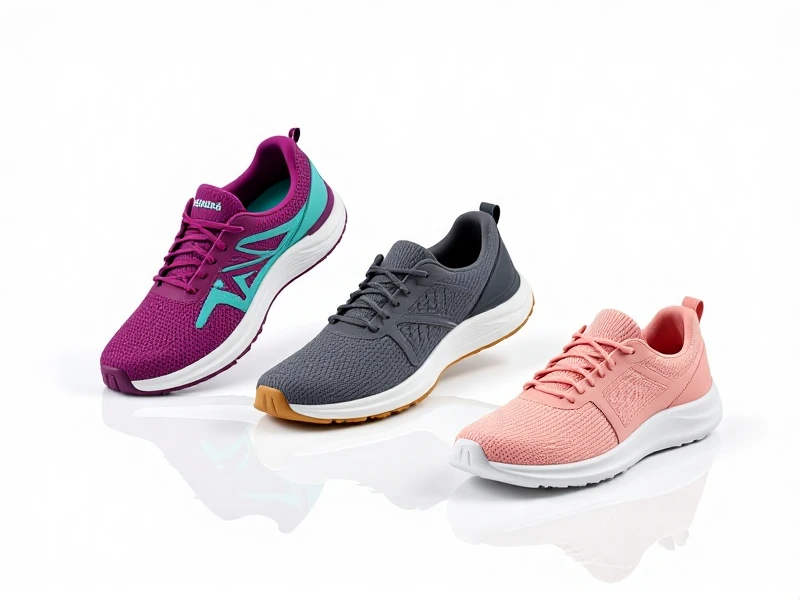
Discover Your Perfect Pair: Your Ultimate Guide to Women's Running Shoes
Finding your ideal women's running shoes feels incredible. It transforms runs from a chore to a feeling of pure flow. But with countless styles, technologies, and brands shouting for attention, picking the right pair can be tricky. Let's cut through the noise and find what truly works for your feet and runs.
First things first: know your foot. Are you a neutral runner, or do you need stability or motion control? If you're unsure, popping into a specialty running store for a quick gait analysis is worth its weight in gold. Getting this foundation right prevents aches, pains, and potential injuries down the road. Blisters aren't medals – they’re usually signs of a poor fit!
Essential Features to Look For:
- Cushioning: This is crucial for absorbing impact, especially on roads. The right amount varies wildly. Some runners crave that plush "cloud" feeling, while others prefer a firmer, more responsive ride that connects them to the ground. It depends on distance, pace, and personal preference. Try both!
- Support & Stability: If your ankles tend to roll inward (overpronation), shoes designed for stability provide essential structure. Look for features like medial posts or firmer foam blends on the inner side. Neutral runners can opt for shoes focusing purely on cushioning without extra rigidity.
- Fit is Paramount (Seriously!): This isn't about fashion sizing. Running shoes often need a thumbs-width of space beyond your longest toe. Your feet swell during runs! Width is critical too – you shouldn't feel squeezed or slip around. Sizes vary significantly between brands, so always try them on late in the day when feet are largest. Bring your running socks!
- Breathability & Lightweight Construction: Mesh uppers are standard for good reason – they let heat escape and keep feet cooler. Lightweight materials reduce fatigue over longer distances, making a noticeable difference in your stride efficiency. No one enjoys feeling like they're dragging bricks!
- The Outsole & Grip: Durable rubber strategically placed on the outsole provides traction, especially on wet pavement or loose paths. The tread pattern matters more for trail runners hitting uneven terrain.
Don't Overlook These Pointers:
- Why "Womens" Specific? Beyond sizing, women's running shoes are typically designed for different biomechanics. They often feature narrower heels relative to the forefoot, and consider the average woman's lower body strength and center of gravity compared to men's models.
- Consider Running Surface: Road shoes prioritize cushioning. Trail shoes add aggressive lugs for grip and protection. Hybrid models offer decent versatility for mixed surfaces.
- Think About Your Distance: Marathon trainers often focus more on cushioning and durability, while race-day shoes or speedwork flats shed weight for a faster feel, sometimes sacrificing some cushioning or durability.
- Treadmill Matters Less: Dedicated treadmill runners often get away with simpler, slightly cheaper trainers designed for predictable indoor terrain.
- Replace Them! Old, worn-out cushioning leads to problems. Track mileage – replacing every 400-600 km is generally a solid starting point, depending on your weight and running style.
Investing the time to find genuinely comfortable and supportive women's running shoes tailored for your needs is your best first step towards miles of happy, healthy running. Listen to your feet – they'll tell you when you've found "the one." Now, go lace up and enjoy the run!